Grow

Choose a mushroom-growing method.

The best method is the one that fits your space, timeline, and the mushroom you want to grow. Compare four practical starting points, then follow the full guide for the method that suits you.

Compare mushroom-growing methods

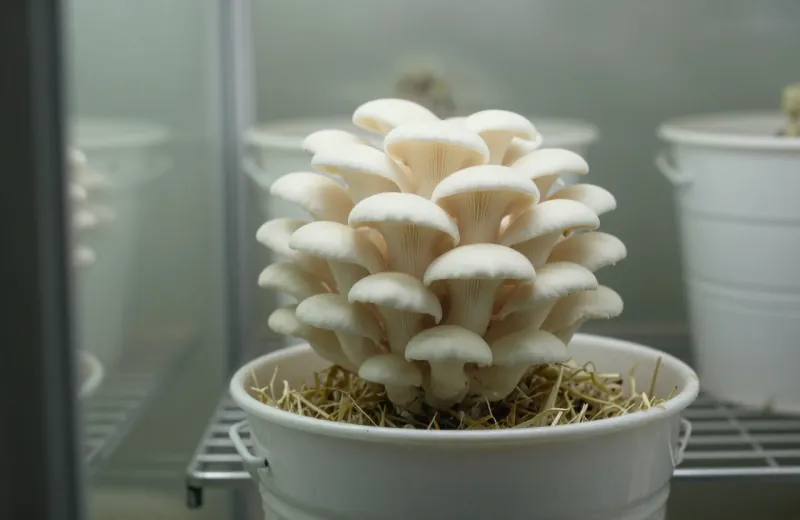
Oyster mushrooms fruiting from holes in a bucket of straw on a wire shelf

QUICK • LOW-COST • BEGINNER-FRIENDLY

Oyster buckets

Best for: oyster mushrooms

A reusable five-gallon bucket, prepared straw, and healthy spawn make this an approachable DIY grow. Buckets can produce relatively quickly, but the developing mushrooms still need humidity and fresh air.
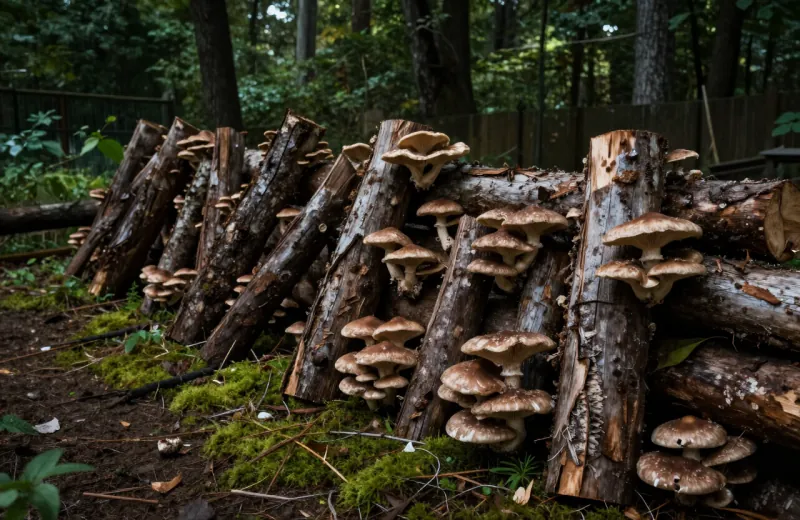
Shiitake mushrooms fruiting on stacked hardwood logs in a shaded garden

SLOW • OUTDOOR • LONG-TERM

Mushroom logs

Best for: shiitake and oyster mushrooms

Fresh hardwood logs take months to colonize, but a well-managed log can produce seasonal harvests for years. This is a good fit for shaded outdoor space and growers who are comfortable waiting.

A mulched garden bed suitable for outdoor wine-cap mushroom cultivation

OUTDOOR • LOW-EQUIPMENT • SEASONAL

Wine-cap mulch beds

Best for: wine-cap mushrooms

Mix or layer sawdust spawn into untreated hardwood mulch, keep the bed damp while it establishes, and let the weather help with the rest. Garden paths, orchard beds, and other partly shaded areas can all work.

A colonized ready-to-fruit mushroom block resting on a clean surface

EASIEST FIRST HARVEST • INDOOR • SHORT-TERM

Ready-to-fruit blocks

Best for: oysters, lion’s mane, and other supplier-recommended species

A ready-to-fruit block lets you learn humidity, fresh air, placement, and harvest timing without preparing substrate first. Follow the supplier’s instructions and use the grow to learn what healthy fruiting looks like.

Which one should you choose?

Our recommended first DIY grow

Start with an oyster bucket.

If you are new to growing, an oyster bucket is the most practical place to begin. It is inexpensive, uses tools you likely already have, and teaches you the conditions every method shares — moisture, fresh air, and patience. The checklist and troubleshooting guide below are written with that first bucket in mind.

The first-grow checklist

Everything you need for a first oyster bucket. Nothing on this list is exotic, and most of it survives into your second, third, and tenth grow.

  • Clean, food-grade five-gallon bucket with a compatible lid
  • Drill with an approximately 5/8-inch bit
  • Clean, dry chopped straw
  • Oyster mushroom grain spawn from a reputable supplier
  • High-calcium, low-magnesium hydrated lime suitable for cold-water treatment
  • Separate soaking container
  • Wide-range pH test strips
  • Gloves and eye protection
  • Clean draining surface or screen
  • Suitable colonization and fruiting space
See recommended tools and supplies

When something looks wrong

Pause and observe before changing anything. Note what you see and the conditions around it; adjust one thing at a time rather than changing every condition at once.

Nothing is growing after three weeks

Likely cause: The substrate may still be colonizing, or conditions may not suit the strain

Fix: Record the inoculation date and current conditions, then compare the timeline with the supplier’s guidance before adjusting anything.

Green or black patches on the substrate

Likely cause: Possible contamination; appearance alone cannot identify what it is

Fix: Keep the bucket closed and separate while you review the full decision guide below.

Long, thin stems with tiny caps

Likely cause: Fresh-air exchange or lighting may be worth reviewing

Fix: Note where the grow sits and how air moves through the space, then compare with the supplier’s fruiting guidance.

Pins form, then dry out and stall

Likely cause: The fruiting area may be too dry, or airflow and placement may be contributing

Fix: Observe the pins and surrounding conditions; review humidity, airflow, and placement without misting on a set schedule.

Read the full troubleshooting decision guideRead the complete bucket guide

Growing guides

Practical, step-by-step help for choosing a method, preparing materials, caring for a grow, harvesting, and solving problems.

37 guides found